The Short Answer: What a Custom Printed Pouch Usually Costs
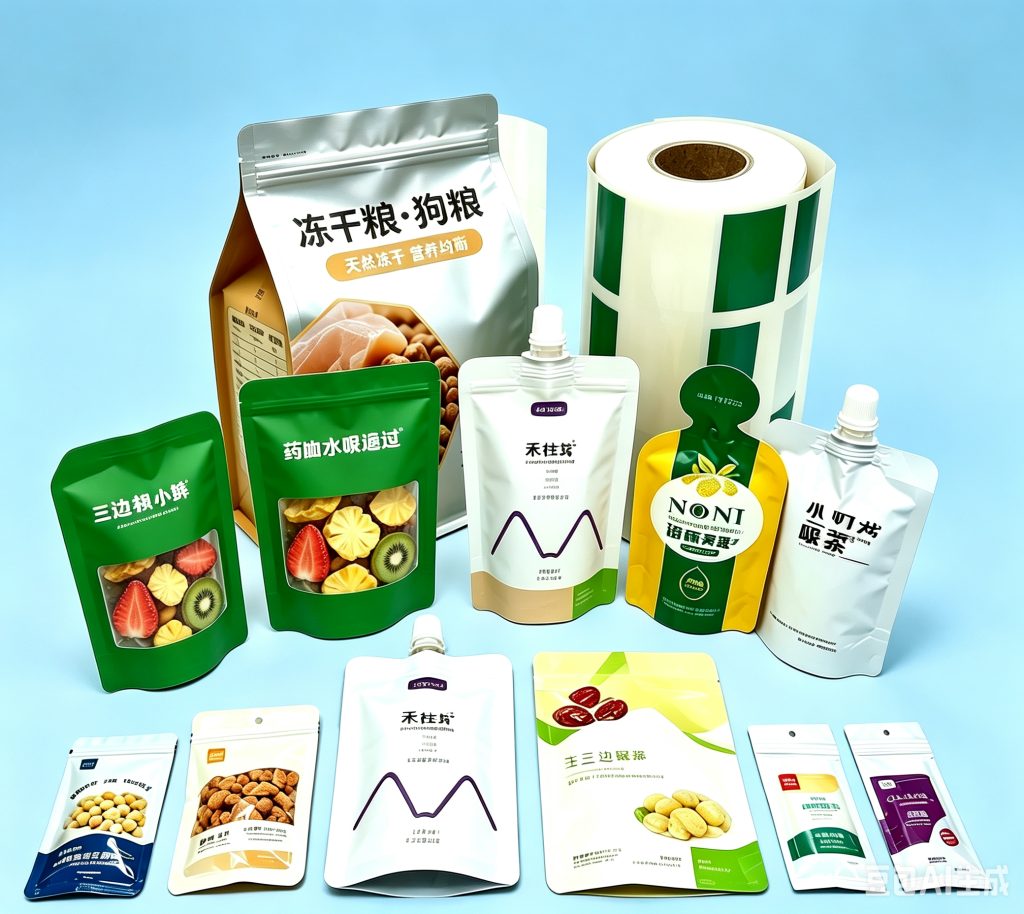
Custom laminated pouches have no single fixed price — that is the honest answer, and this article explains exactly where the money goes. Every week we receive the same first question: “What is the price of a 500 ml stand-up pouch?” Most custom laminated pouches we produce for overseas buyers land between a few US cents and roughly USD 0.20 per piece, depending on size, structure and features. A small three-side-seal sachet sits at the bottom; a mid-size stand-up pouch with a zipper and high-barrier film sits in the middle; a large retort-grade pouch that survives 121°C cooking, or a spouted pouch with a fitment, sits near the top.
Treat those figures as orientation, not as a quote. Flexible packaging is priced by the gram of film per bag — plastic, foil and adhesive are all sold by weight — so a bag twice the size uses roughly twice the material. What this article explains is where the money actually goes, what our minimum order quantities are, and why two suppliers can quote the “same” bag at prices 30% apart.
Five Factors That Move Your Price Up or Down
1. Material structure — the barrier level you actually need
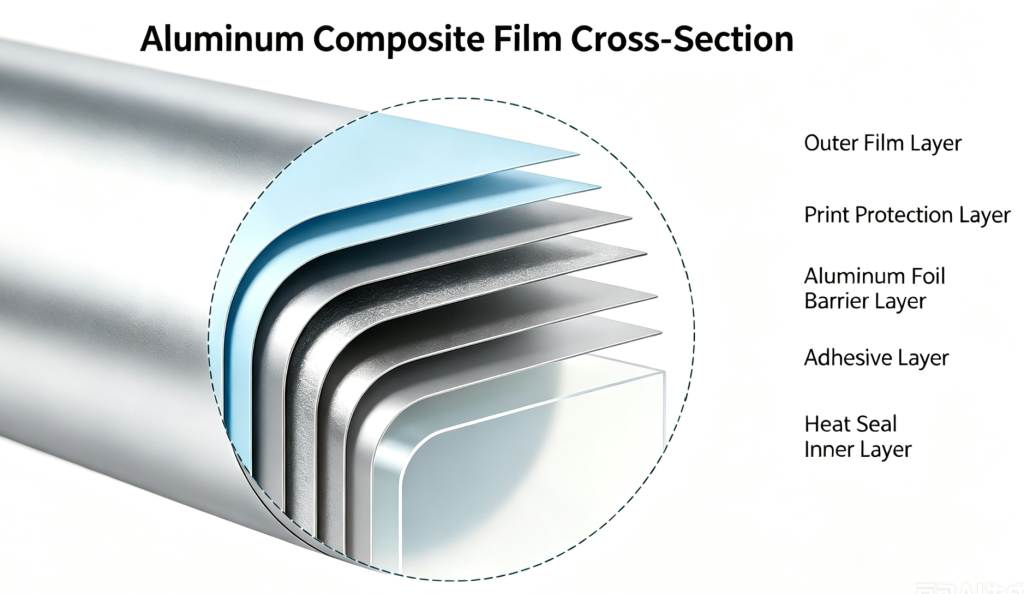
This is the biggest cost driver and the most misunderstood. A pet snack pouch that only needs moisture protection can use a transparent structure with a metallized layer. Coffee needs a true high-barrier structure with aluminum foil — you can read our breakdown of coffee roll film materials for the details. Food that will be retort-processed at 121°C needs heat-resistant adhesive and film grades that cost several times more than a standard lamination. Choosing a structure one level above what your product requires is the most common way buyers overspend; choosing one level below is how products spoil on the shelf. A serious factory will ask about your filling process, shelf-life target and storage conditions before naming a structure — if a supplier quotes instantly without asking, be suspicious.
2. Size and film gauge
Bigger bags cost more, but not linearly with volume — they cost roughly linearly with film area and thickness. A 50-micron film costs less than a 100-micron one, and an experienced engineer will often recommend a gauge reduction that cuts cost without hurting performance.
3. Printing: colors, coverage and cylinder cost
Gravure printing delivers the photo-quality finish that retail shelves demand, and our two nine-color gravure presses run designs that simpler machines cannot. But gravure requires an engraved cylinder for every color in your design. Cylinder making is a one-time tooling cost — typically a few hundred US dollars for a full set — and the cylinders are kept and reused for every repeat order, so the more you reorder, the cheaper that tooling becomes per bag. Heavy solid ink coverage adds cost as well.
4. Features: zippers, spouts and windows
Every added feature adds a process step. A press-to-close zipper is a modest addition. A laser-tear notch or a hang hole is almost free. A spout fitment requires a separate insertion machine and adds real cost. Design your pouch with only the features your product genuinely needs.
5. Order quantity
Quantity drives the biggest per-unit swings, because setup costs — cylinders, press setup, changeovers — are spread across the run. That is exactly why factories set minimum order quantities.
MOQ Explained: Why Factories Set Minimums, and Ours Specifically
Custom printed pouches are converted from virgin food-grade film rolls that run for kilometers. Running a batch of 5,000 printed pouches would spend more time on machine changeovers than on production, which is why no serious gravure factory accepts it.
Our minimum order value is USD 5,000 per order. What that buys depends on the bag: several thousand large pouches, more of a smaller sachet format, or a run of custom roll film. If your budget is far below this level, you are honestly better served by a stock-bag supplier with digital printing, and we will tell you so.
One practical note for first-time importers: your MOQ is per design, not per order. If you need three variants of the same bag, each variant carries its own cylinders and its own minimum. Combining artwork elements to share cylinders across variants is one of the quiet ways we help customers reduce their entry cost.
Where the Money Actually Goes: From Artwork to Delivery
Understanding the production chain makes the price structure obvious. After you approve the artwork, cylinders are engraved, which usually takes about a week. Then the film is gravure-printed, laminated solvent-free — which keeps residues inside strict food-safety limits — given several days to cure, and finally converted into bags on the making machines. Our standard lead time is around 20 days from artwork confirmation to shipment for a first order, and repeat orders run faster because the cylinders already exist.
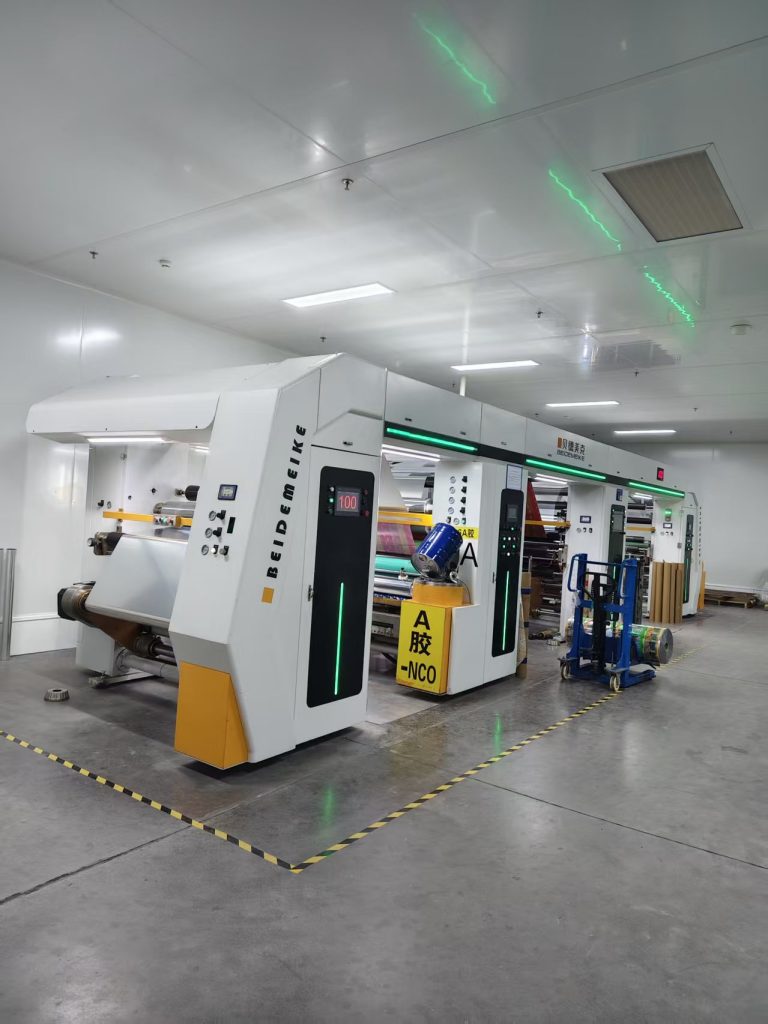
That chain also explains what you are paying for when you choose a certified factory instead of a trading company with no machines. Our plant runs 30,000 square meters of clean-room workshop, around 100 employees and a monthly capacity of about 20 million pouches, plus 600 tons of roll film. We hold ISO 9001, ISO 22000 and FSSC 22000 certifications — the GFSI-recognized food safety standard — plus the Chinese industrial production license for food-contact packaging (XK16-204-00701). Certificates do not add cost to your bag; they add predictability — material traceability, documented QC at every station, and a factory that can pass your third-party audit. Domestic brands like Yanjin and Liangpin do not audit their packaging suppliers for fun.
How to Get a Quote That Does Not Change After You Commit
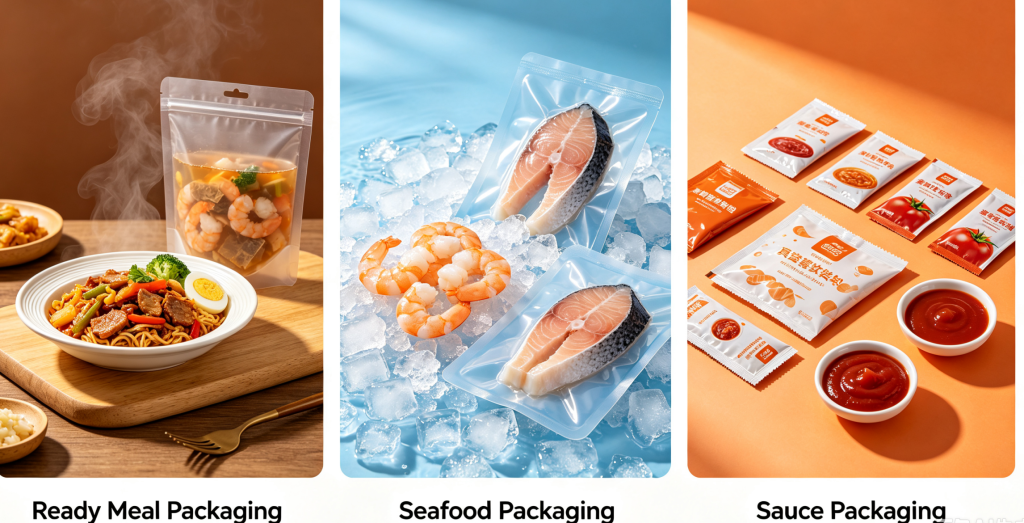
The fastest way to get an accurate, stable quotation is to send us five things up front. First, bag dimensions or a sample bag — width, height, gusset and seal areas. Second, your product and filling process: hot-fill, retort, frozen, nitrogen-flushed, or plain dry goods. Third, target weight or film thickness if known. Fourth, your artwork, even as a rough draft, so we can count print colors. Fifth, order quantity per design. With these five items, we typically return a structured quotation — structure, unit price by quantity tier, cylinder cost, lead time — within a couple of working days.
Why do quotes vary so much between suppliers for the “same” bag? Three reasons appear again and again. Different material structures: one supplier quietly substitutes a cheaper barrier layer that will fail your shelf-life test six months later. Different film sources: regranulated or off-grade resin can cut 10–15% off a quote and a lot more off your brand reputation. And different print quality: an eighth-color, high-definition print on a well-maintained press simply costs more than a washed-out four-color job. When a quote is dramatically lower, the difference is always somewhere — the only question is whether you find it before or after the goods arrive. If you are still early in your sourcing research, our guide on importing flexible packaging from China walks through the full process, and our retort pouch guide explains structures for cooked and ready-to-eat products.
Frequently Asked Questions
What is the minimum order for custom printed laminated pouches?
Our minimum order value is USD 5,000 per order. What that buys depends on the bag — several thousand large pouches, more of a smaller sachet format, or a run of custom roll film. You can mix sizes of the same design within one order to reach the minimum.
How long does production take from artwork approval to shipment?
Around 20 days for a first order, including about one week of cylinder engraving. Repeat orders run faster because the cylinders are already on file.
Can I test samples before placing a full order?
Yes. We can send similar-structure samples to check quality, free of charge except shipping; for a final check, pre-production samples are made on your actual cylinders and materials before mass production.
Why is my quote different from a supplier who offered half the price?
The most common causes are a downgraded barrier structure, regranulated film resin, or a simplified print job. The quoted unit price may differ, but the delivered bag is usually not the same product. Ask every supplier to specify the exact structure layer by layer — a professional factory will answer without hesitation.
Get a Structured Quote Directly From the Factory Floor
If you are evaluating suppliers for custom laminated pouches or roll film, send us your dimensions, product details and artwork, and we will return a structured quotation with the material structure written out layer by layer — not a one-line price. You will be talking to the factory that prints, laminates and converts the bags, which means technical answers in hours rather than days. Visit our contact page with your specifications, and our export team will take it from there.